

Chemical Process Steps Where Mixing Performance Breaks Down
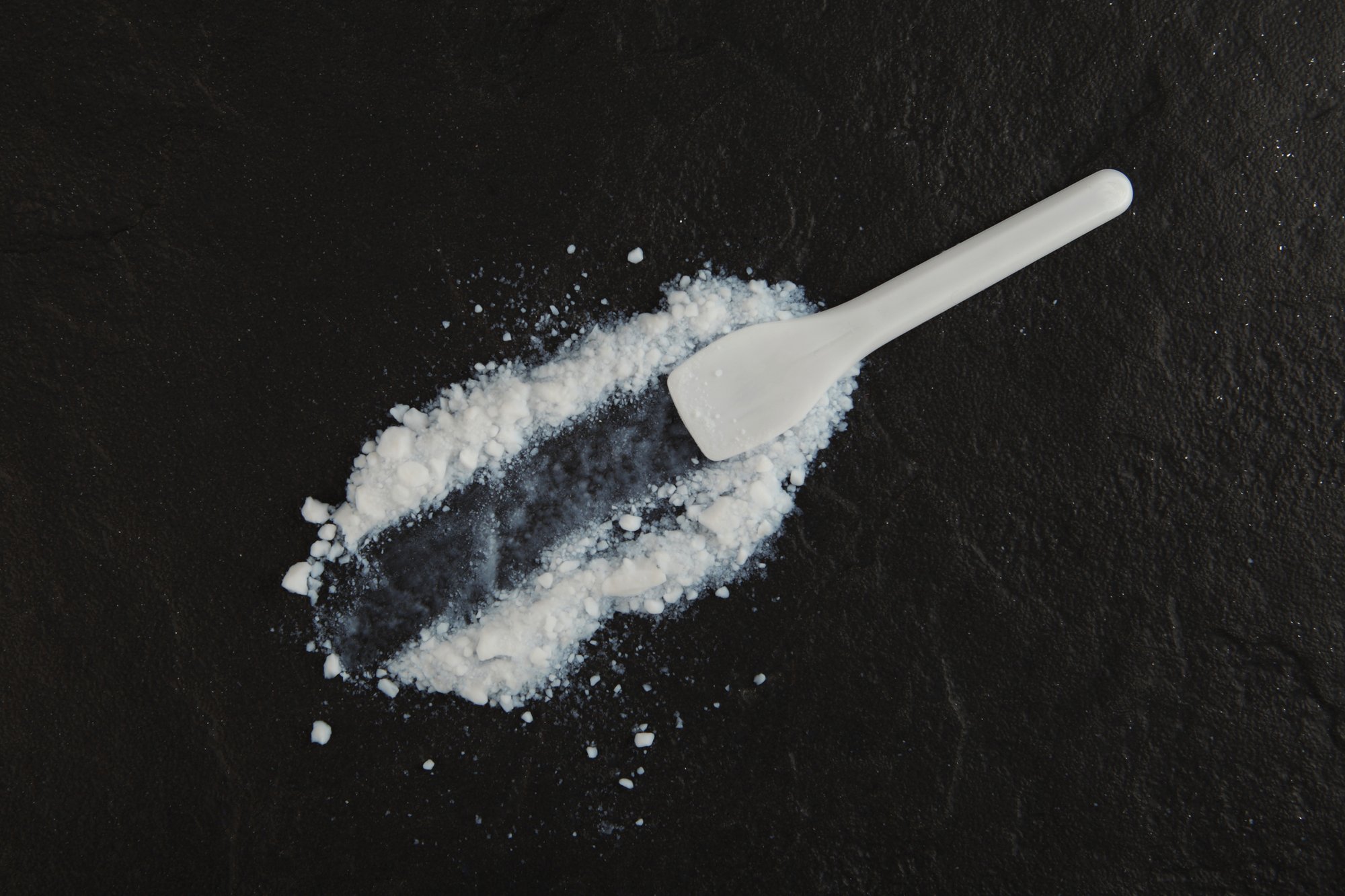
Powder Incorporation
Powders do not pull in cleanly. They float, clump, or resist wet-out, slowing the batch and creating downstream issues.
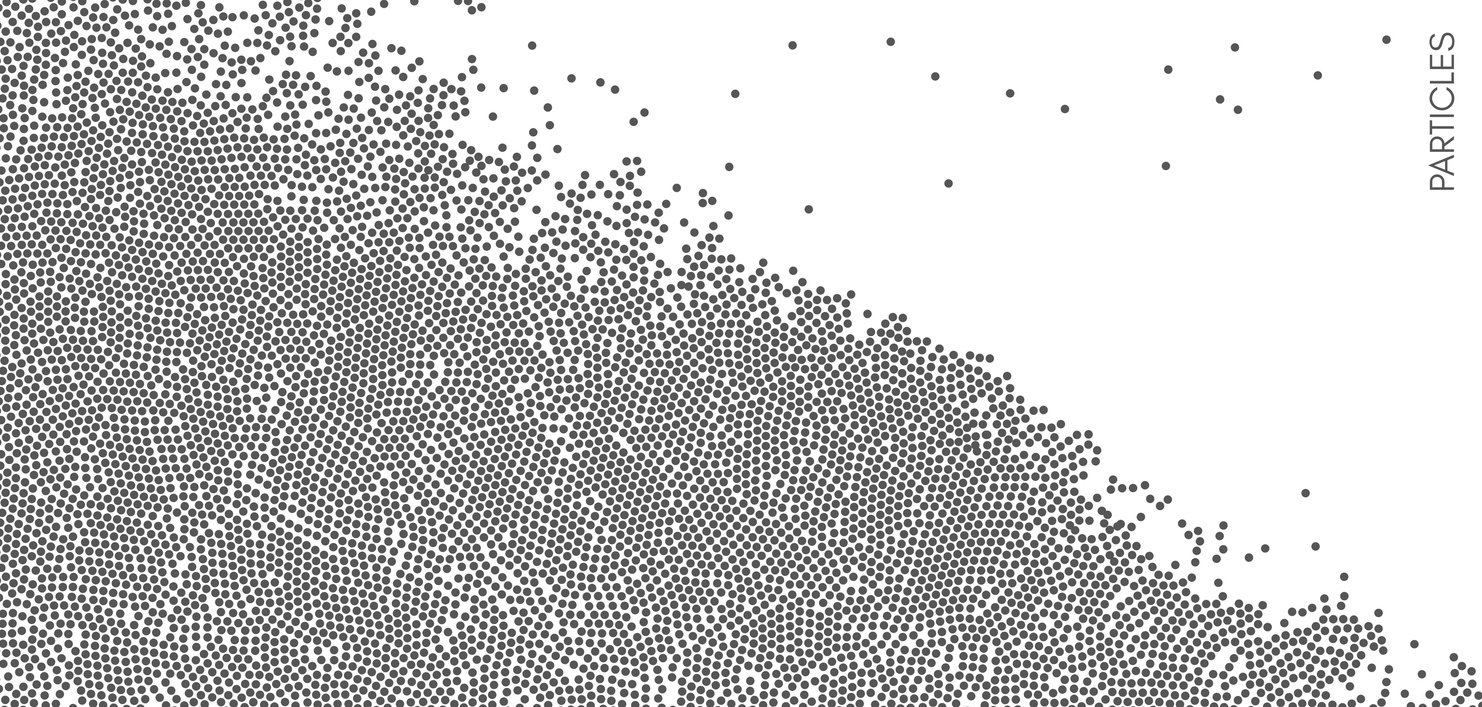
Dispersion
Pigments, fillers, and additives do not fully disperse, leaving agglomerates, fisheyes, and inconsistent product quality, impacting product performance and formulation stability.
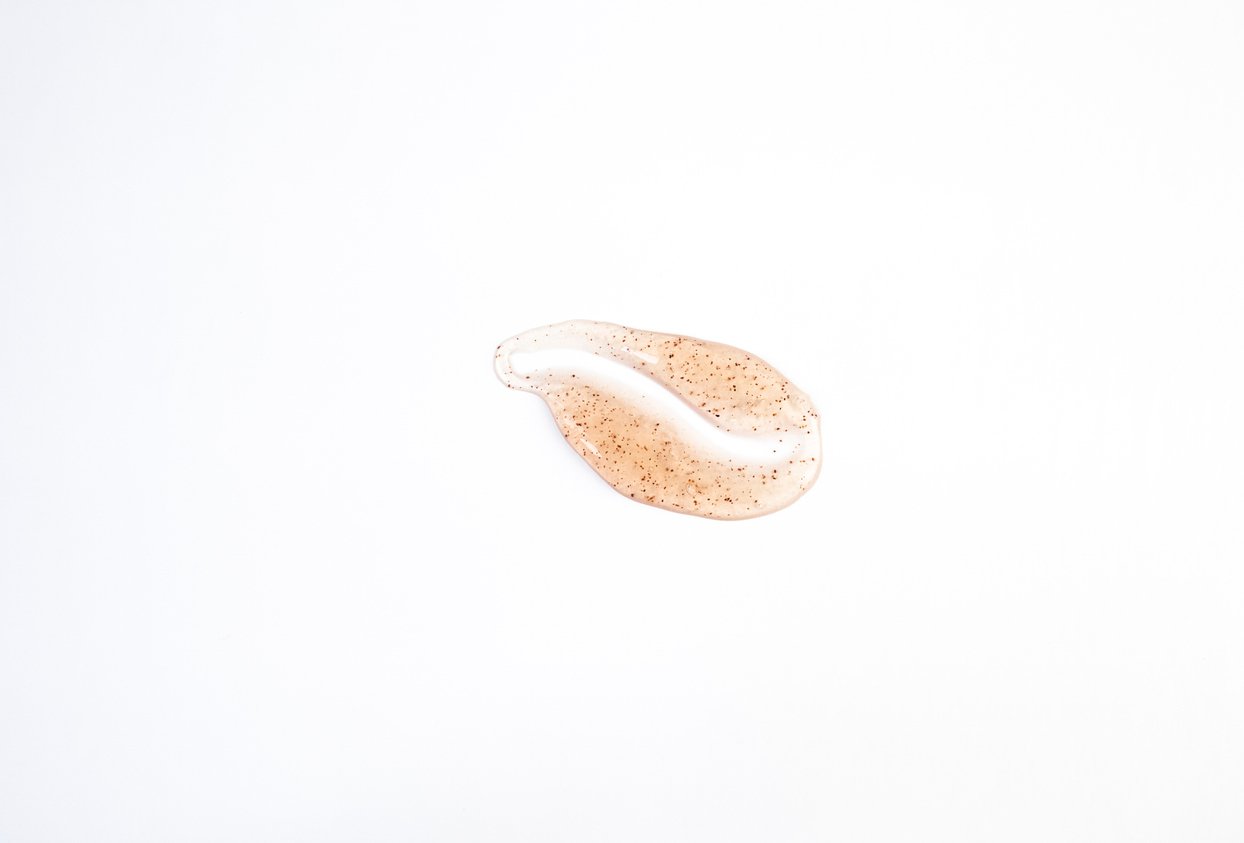
Viscosity Development
The batch thickens too quickly or unevenly, making the process difficult to control and repeat, increasing energy demand and reducing throughput.
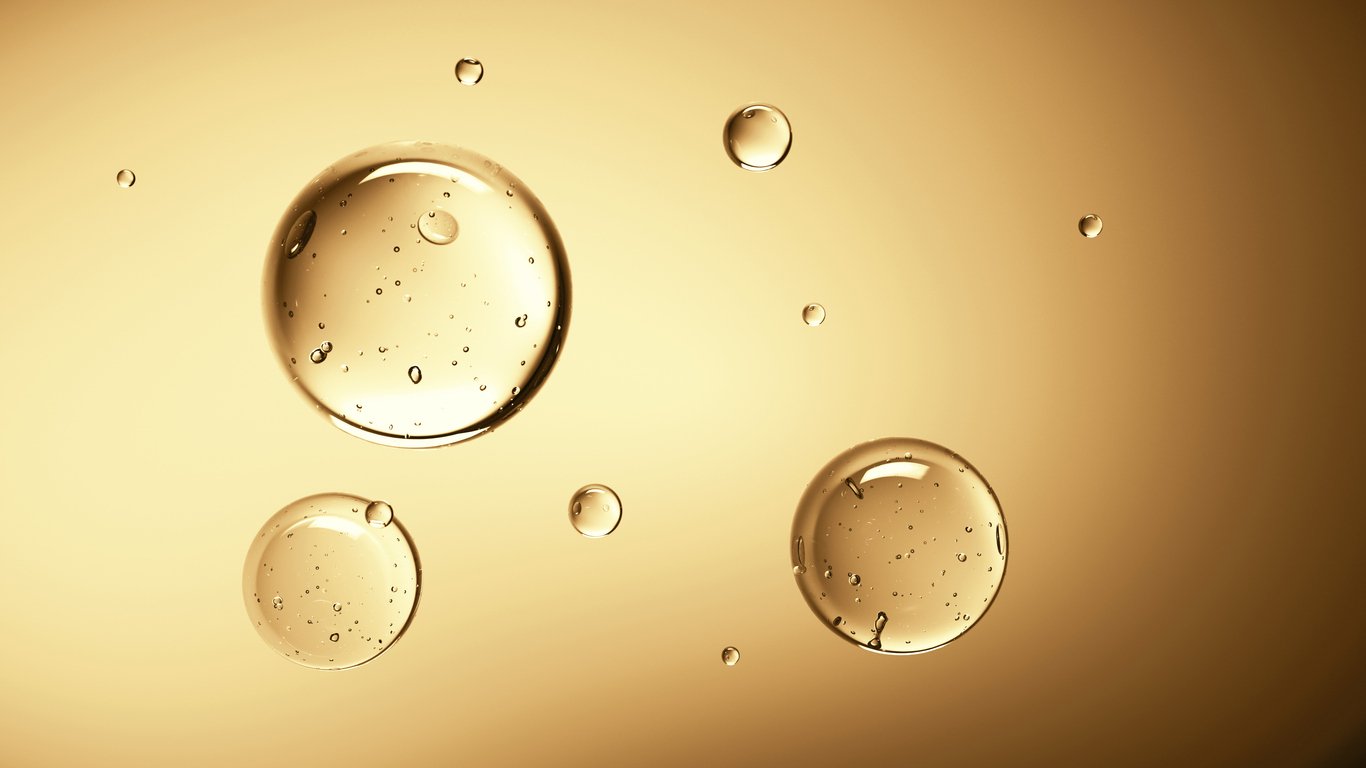
Air Management
Air is introduced during mixing, affecting density, appearance, and product stability.
Repeatability
A process that works for one operator or shift does not behave the same way on the next run.
Scale-Up
What works in the lab does not always translate to production when shear, powder handling, and viscosity change.
Mixing solutions aligned to your process
Poor dispersion, inconsistent particle size, and difficult powder incorporation are not equipment issues alone — they are process problems.
We design high shear mixing solutions that address these challenges directly, improving powder wet-out, dispersion quality, and batch consistency across coatings, adhesives, sealants, and elastomer applications.
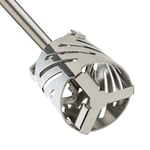
High shear mixers improves powder wet-out, breaks down agglomerates, and supports more consistent batch performance.
Best for:
- Difficult powder incorporation
- Faster wet-out
- Reduced fisheyes and agglomerates
- Improved consistency
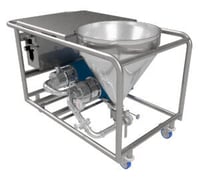
Powder induction systems help move powders into liquids faster and with more control, reducing dust and improving incorporation.
Best for:
- Powders into liquids
- Dust reduction
- Faster incorporation
- Cleaner operation
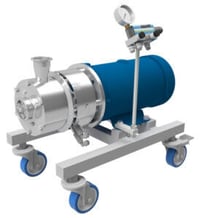
INLINE MIXING AND HOMOGENIZATION
Inline mixers, shear pumps, or wet mills support in line mixing and milling, improving particle reduction and process control.
Best for:
- Particle reduction
- Recirculation improvement
- Inline process control
- More consistent results
.png?width=200&name=Admix-Diaf-Dissolver-1200ZH-300x300%20(1).png)
High speed dispersers deliver strong circulation and dispersion for demanding chemical formulations.
Best for:
- Pigment and filler dispersion
- Viscosity-sensitive systems
- Faster batch development
- Consistent dispersion
Built for coatings, adhesives, sealants, and elastomers



Why chemical manufacturing teams work with us
More than a mixer supplier
- Application-focused process support
- Lab testing and application review
- Scale-up and implementation guidance
- Process optimization support
- Aftermarket service, parts, and repairs
Stop fighting chemical mixing problems the hard way.
If powders are not wetting out, dispersion is inconsistent, or viscosity is slowing production down, let’s look at your process together. We work closely with engineers, plant teams, and formulators to understand each application and deliver practical, process-driven improvements.